about the authors
Hi there! We’re aurora light (all lowercase, plural they/them), an author collective consisting of primarily three individuals.
We live on Tohono O'odham/Akimel O’odham land (so-called “Phoenix, Arizona”), and we write weird, fucked up lesbian and transgender erotica.
meet your writers
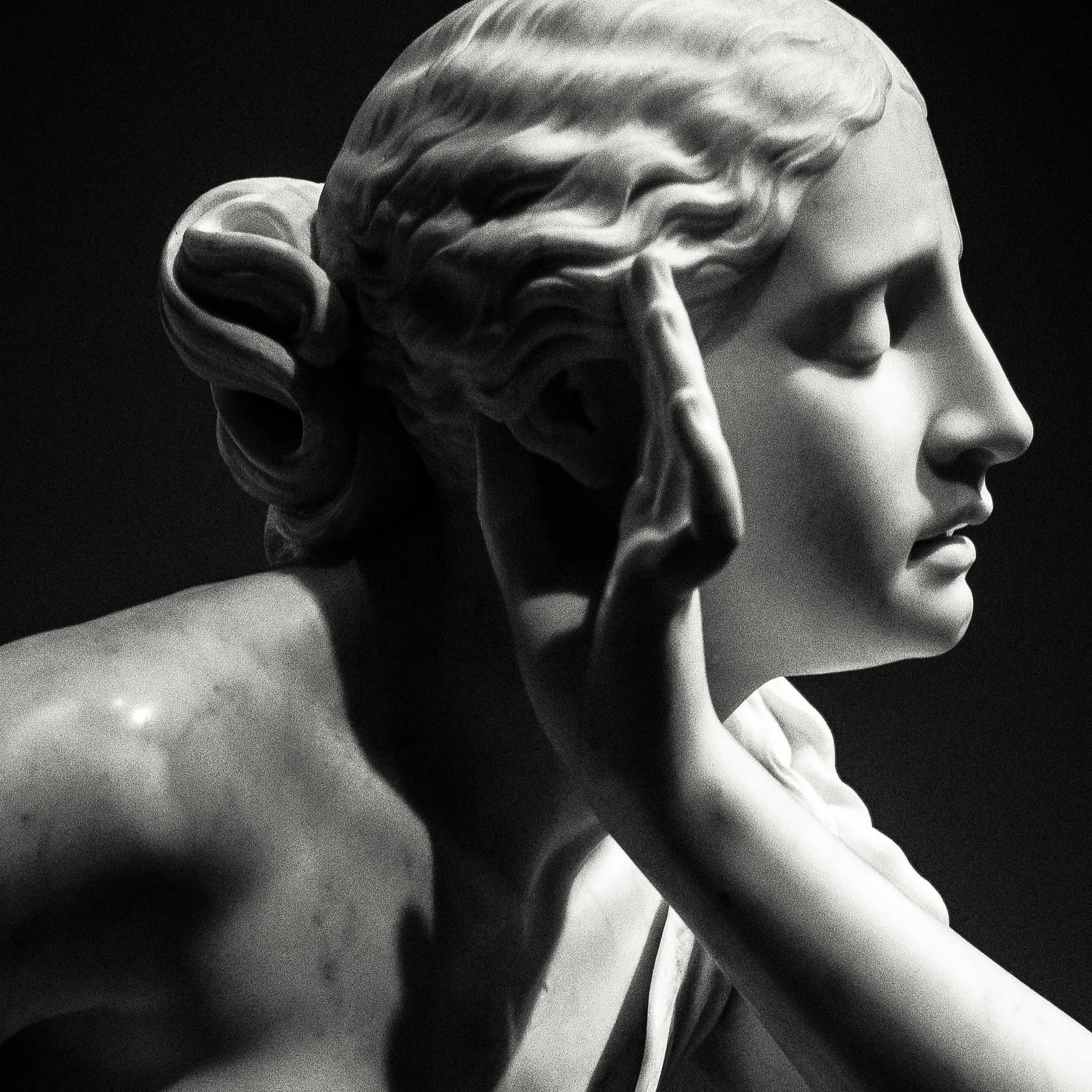
Clarisse
she or he
Clarisse is a Hellenistic pantheist who is always trying to explore philosophical concepts and questions through her writing. The fact that the writing in question is erotica does not seem to have fazed him just yet. Through the lens of art, she believes that there is no question that cannot be uncovered and discussed, even if that question is, "Wouldn't it be hot if this happened?"
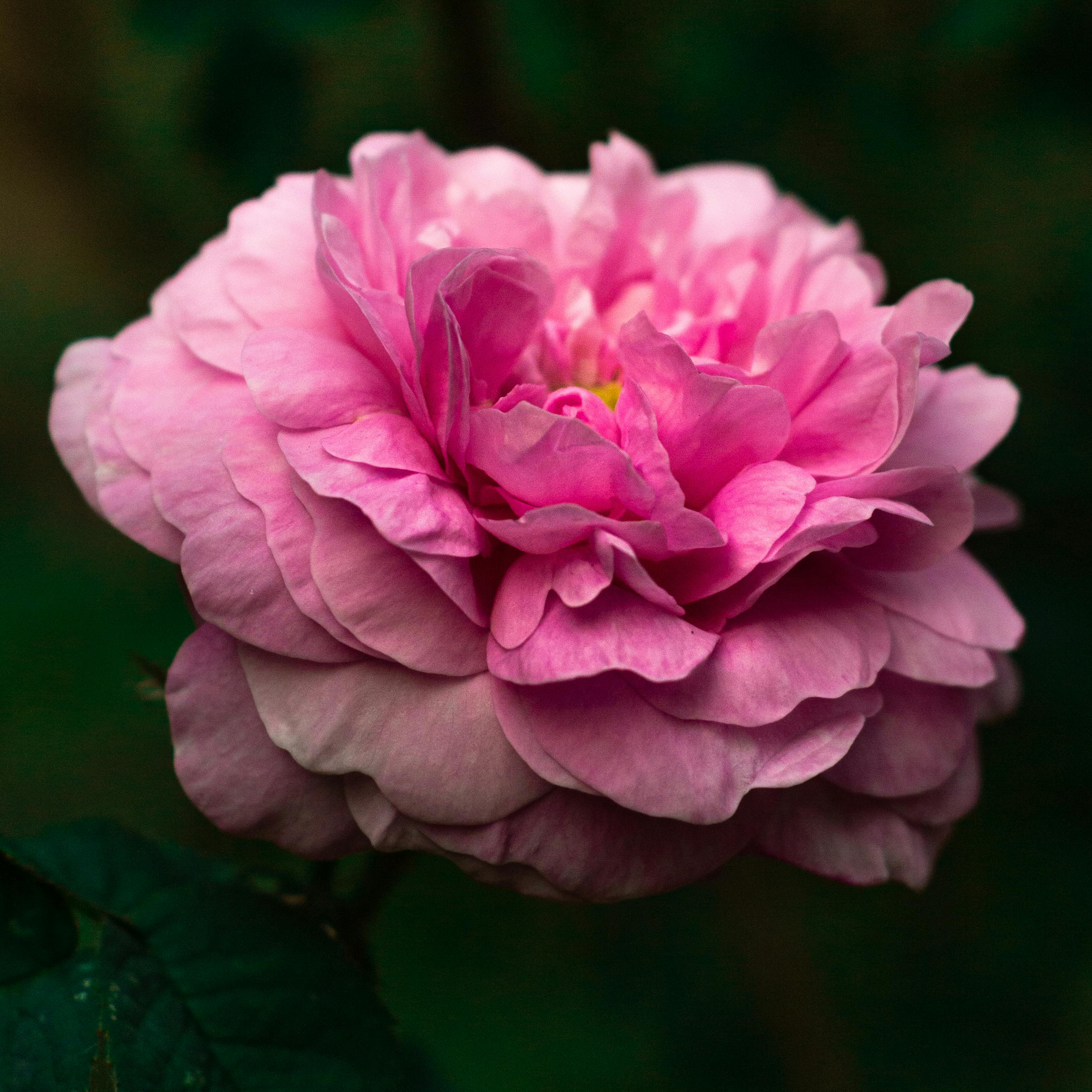
rose
it
rose is a mixed-race dyke who has been writing since about the moment it could hold a pen. With an autistic special interest in the written word and a love for weird, fucked-up gay sex, it was really only a matter of time until it started writing strange transgender erotica. You can usually find it reading other authors' erotica and listening to the latest Fall Out Boy single.
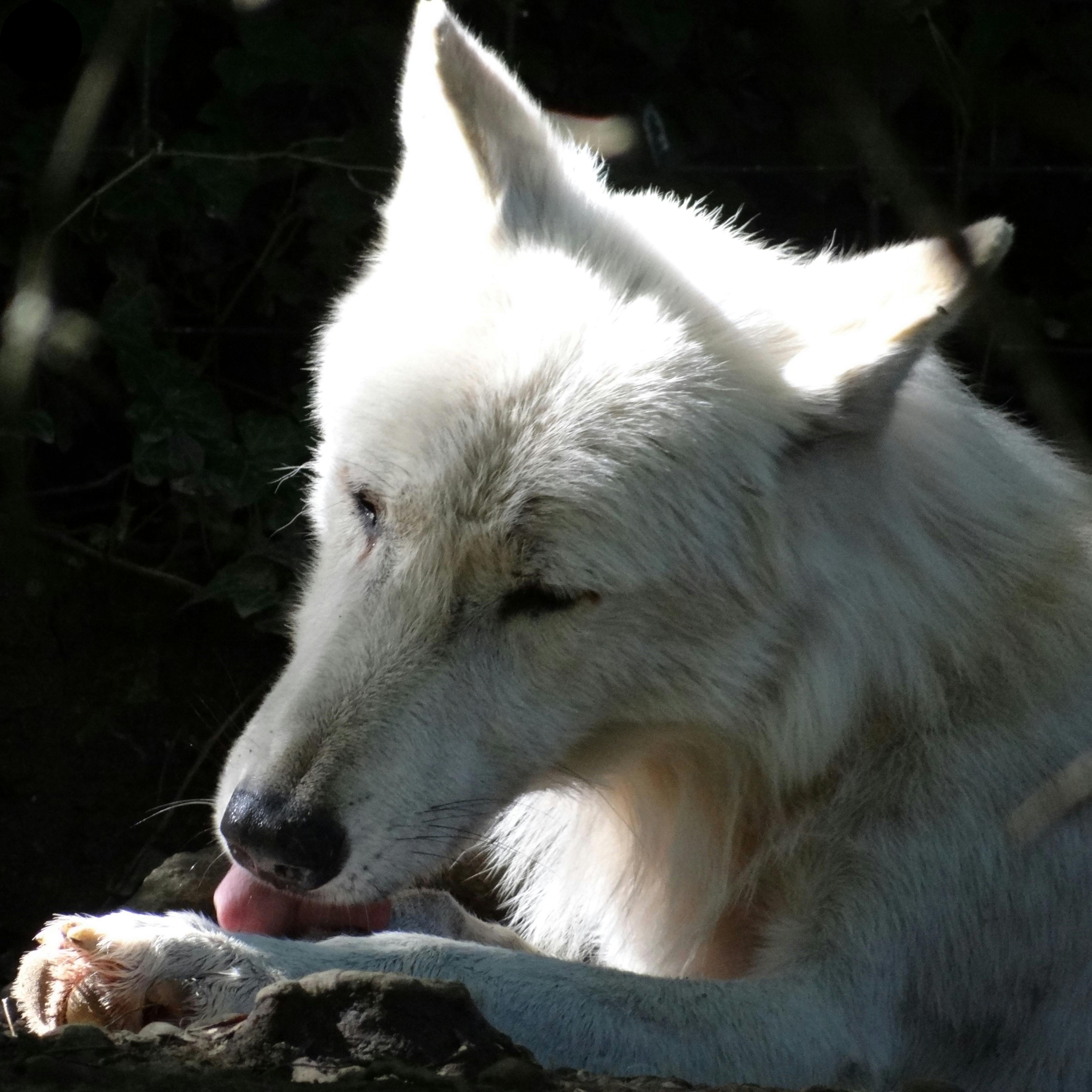
Roxy
she
Roxy is a wolf who really wants to confront you with something new, whether she's identifying as posthuman, standing firm on her disagreement with copyright, or creating new, fun literary metaphors for the DID experience. Her love for provocative writing and discussion also bleeds into erotica, with a decided interest in exploring edgeplay and other taboo erotic concepts.
frequently asked questions
How should I refer to you & your characters?
Our collective name is "aurora light," all lowercase (including at the beginning of sentences if possible; if this conflicts too sharply with your style guides, you can use uppercase letters at the beginning of sentences), and we use plural they/them pronouns. Please refer to our collective pronouns.page to get an overview of our preferred genre, sexuality and gender, and disability terms.
In terms of our characters, you can refer to anyone as "gay" or "sapphic," with masc/fem to refer to presentation. We consider ourselves to write lesbian romance/erotica, so if a character isn't written to be bisexual, you can assume they're a lesbian. If a character does not self-identify as "butch" or "femme" in-text, please avoid identifying them this way; these are identity terms that we intentionally only use in certain contexts.
If you're planning to write about us in some way and have a specific question that you're still not sure about, feel free to reach out.
Why do you refer to yourself in the plural?
Whenever we're speaking in a way that encompasses "aurora light" as an author persona, you'll likely see us use the plural "we/us" pronouns in self-reference, and we request that you use plural they/them to refer to us.
This is primarily because the three writers who make up the "aurora light" author persona are part of the same DID system. When we use plural pronouns, we are creating a public presentation that deliberately and intentionally refuses to conform to the singularity of self that "polite society" requires of its members. It is, to varying degrees, important to our system members that we actively and intentionally present as being multiple individuals within the same body.
In addition, multiple members of our collective find it important to consider ourself as part of the universal world, not an individual. In this context, utilizing the singular "I" does not effectively indicate how we see ourself; we see ourself as necessarily interconnected with the world around us, and our usage of plural pronouns reflects that connection.
We may eventually write a blog post exploring more about the "public persona" and why we've chosen to navigate it in this way; if we do, we'll link it here!
Why do you include land acknowledgements in your front matter?
As an indigenous person ourself, we have very complicated feelings about land acknowledgements, and those feelings have informed our decision to include acknowledgements at the beginning of our pieces.
Land acknowledgements absolutely can be a way to pay lip service to tribal ownership with no real intention of making material changes for indigenous people still living today. This is most apparent in land acknowledgements done by corporations or government agencies that have the capability to make material change, but would rather just “say the right thing” instead. Even for individuals, it can sometimes feel like an attempt to look morally pure, more than an honest attempt to recognize the historical stewards of the land.
That being said, there is still a huge dearth of actual recognition for the indigenous tribes of Turtle Island and their historical locations. While we are, certainly, aware of how land acknowledgements can be used as a prop, we have often been brought to tears over notable, visible, and loud recognition of our ancestors and the people they shared certain areas of the world with. We believe it can also be one way to keep our eyes on the indigenous people who are still alive today and still experiencing the repercussions of colonization.
The land acknowledgements at the beginning of our books are intended to be encouragement for all readers of our books, both indigenous to Turtle Island and with heritage roots elsewhere, to learn about the people who lived in certain areas before they were colonized. They set an expectation for our readers that we are actively thinking about the historical roots of the places we have chosen. Additionally, most of our stories take place in what is now modern-day central Florida or modern-day Phoenix and the surrounding areas, both locations that hold special importance to us. It is deeply important to us that people learn about the historicity of especially these locations. We hope that our acknowledgements and links to where you can learn more about these lands’ historical stewards will make you think more about the historical stewards of the place where you live, too, and how you can respect that land today.
Why are your books paid on other websites if they're also available for free on your website?
We are anti-copyright, so you will always be able to download our stuff for free on any of our direct book pages or by sending us an email.
However, there are also a lot of benefits to having paid links out there and available. If you're looking to show off your works, you generally need to have a presence on websites built to sell books, like Amazon; the exposure that a marketplace website provides is a key element of reaching new people. Being able to put items "on sale" also has a psychological impact on people that may make them more likely to go check out our products.
We list our marketplace books as paid because people react differently to free books versus paid books. It's also a much easier way for many people to support us financially if they'd like to do that; one-click buy on your favorite platform is way easier than having to find our Ko-Fi and donate however much directly.
Why do you write weird, fucked up erotica?
There are far more reasons for this than we could possibly put in a little FAQ answer, and we hope to write a blog post about it eventually. However, there are two primary reasons that we would give in a shortform context.
The first is that we have weird, fucked up kinks. We have struggled very hard to accept these kinks, especially in the often-puritanical LGBT circles that have sprung up on the internet as marginalized people have tried to police their own spaces and keep themselves safe from harm. Creating art that reflects those interests is one way that we try to make it safer for other people to accept their own weird kinks.
The second reason is that we just think it's important for people to make insane, off-putting art. We think that's neat.
Why is this site hosted on Neocities?
Short answer: it’s the cheapest option.
Long answer: it’s the cheapest option, and also, it’s great.
Before Neocities, we were hosting our website on Squarespace, and before that, on Weebly. Weebly was broadly pretty bad, but Squarespace was honestly pretty good, and the site design did give us a lot of options to work with.
The problem is, the lowest-tier Squarespace subscription, which doesn’t offer Javascript support, is $192/year. And, yes, while we were willing to pay that to have a nice-looking website, it wasn’t exactly a cost that we were super into paying. While it’s much more customizable than Weebly, there are also some restrictions that made our site less cohesive than we wanted.
Neocities Supporter is $60/year, billed monthly, offers Javascript support, and lets you do literally anything you want, if you can code it. And, thankfully, we have an incredible wife who was willing to code it for us. All in all, a fundamentally better choice on literally every level.